
On-Page SEO Expert in Bangladesh
Most websites in Bangladesh don’t lack content. They lack the right on-page signals. The title doesn’t match what people actually search for. The headings confuse Google instead of guiding it. The structure and schema don’t line up with what Google needs to understand the page.
That’s why they don’t rank, not because there’s no content, but because Google can’t read what’s there.
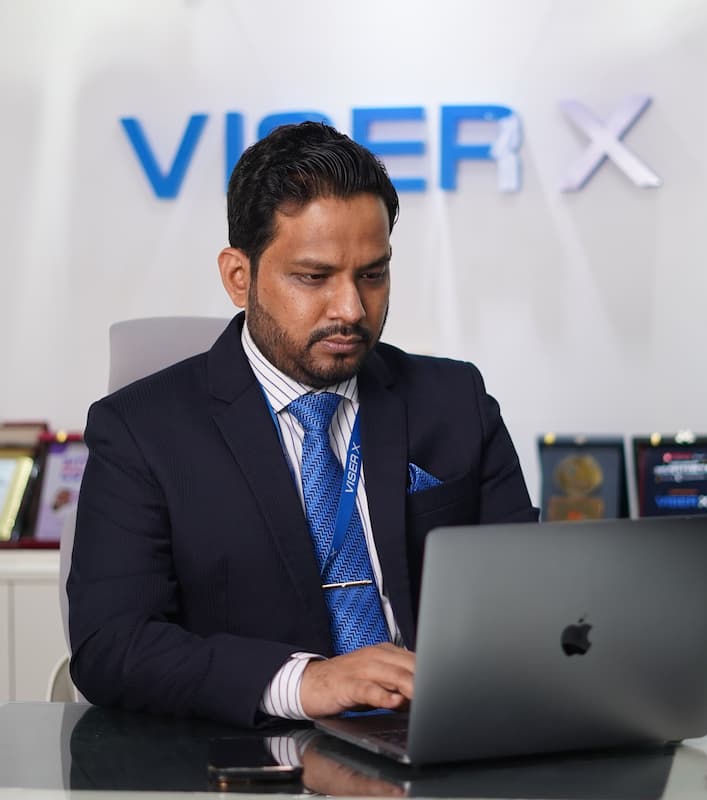
My name is Faisal Mustafa, and fixing exactly this problem has been my work for over 10 years.
What On-Page SEO Actually Fixes on Your Website
Here’s where most sites are quietly losing rankings, one signal at a time.
Title Tags and Meta Descriptions
Most Bangladeshi websites either skip title tags and meta descriptions entirely, repeat the same one across dozens of pages, or write them to please the business owner instead of the person searching. Fixing this means every page gets a unique, keyword matched title and description that actually reflects what someone types into Google and mirrors the words they use. The payoff shows up directly in your click through rate: a title and snippet that speak to the searcher’s exact query gets clicked more often than a vague or duplicate one, even at the same ranking position.
Heading Structure (H1, H2, H3)
A lot of pages either have no clear heading hierarchy, cram headings full of keywords, or use headings so vague that neither Google nor the reader can tell what the page is actually about. Fixing this means restructuring the page around one clear H1 and logically nested H2s and H3s that map to what a visitor is actually looking for. The benefit is twofold. Google can parse the page’s topic and relevance faster, and readers can scan the page and find what they need without reading every word, both of which push rankings and time on page up
Content Quality
Thin pages, duplicate content copied across product or service pages, or content that says very little in a lot of words all signal to Google that a page isn’t worth ranking. Fixing this means rewriting or expanding content so each page answers a real question in genuine depth, with no overlap against other pages on the site. The result is pages that Google trusts enough to rank and that actually convert, because visitors get the specific information they came for instead of generic filler.
Image Alt Text
Alt text on most sites is either left completely blank or stuffed with keywords that don’t describe the image at all. Fixing this means writing accurate, natural descriptions for every image, describing what it actually shows in plain language. This opens up a secondary traffic source through Google Image search, improves accessibility for visually impaired users, and gives Google one more accurate signal about what the page is about.
Schema Markup
Structured data is either missing entirely or implemented incorrectly on most Bangladeshi business sites, which means they’re invisible for rich results such as star ratings, FAQ dropdowns, and business info panels that competitors are already winning. Fixing this means implementing clean, error free schema markup matched to the page type (product, article, local business, FAQ, etc.). The benefit is a search listing that stands out visually against every plain blue link around it, which drives a higher click through rate even without a ranking change.
Internal Linking
Many pages on a site get zero internal links pointing to them, effectively orphaning them from Google’s crawl path, while other pages link out so broadly that the site’s authority gets spread too thin to help anything rank. Fixing this means building a deliberate internal linking structure where important pages get more links from relevant, authoritative pages on the site. This concentrates ranking power where it matters most and helps Google discover and index every page faster.
Why Hire Faisal as Your On-Page SEO Expert?
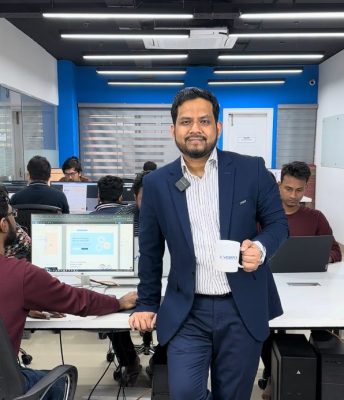
Across Bangladesh and international markets, I’ve spent years fixing the exact on-page problems businesses run into: thin content, weak internal linking, messy heading structures, cannibalized keywords, missing schema. Chances are, whatever’s holding your rankings back right now, I’ve already diagnosed and fixed it on a past project.
I don’t run generic checklists. Every on-page audit is built around how Google actually reads your site: title tags, meta descriptions, heading hierarchy, internal linking, and structured data, all mapped to real keyword intent. The result isn’t just optimized pages. It’s pages built to rank and convert.
On-Page SEO Services I Provide in Bangladesh
Here’s exactly what’s included when you hire me for on-page SEO. No vague packages, no bloated retainers. Just the specific, technical fixes your website actually needs to rank: title tags, meta descriptions, heading structure, internal linking, keyword mapping, and schema markup, all mapped directly to what’s holding your pages back right now
01
Title Tag and Meta Description Optimization
Writing titles and descriptions that match search intent and get people to actually click.
02
Heading Structure (H1 to H3) Audit and Rewrite.
Heading Structure (H1 to H3) Audit and Rewrite.
03
Keyword Mapping and Cannibalization Fix
Making sure each page targets its own keyword, so your pages stop competing with each other in search results.
04
Internal Linking Strategy
Connecting your pages the right way so authority flows to the ones that need to rank.
05
Content Optimization
Rewriting thin or unclear content so it fully answers what the reader searched for.
06
URL Structure and Canonical Tags
Cleaning up messy URLs and fixing canonical tags so Google indexes the right version of each page
My On-Page SEO Process
No guesswork and no black box. Here’s exactly how the work happens, from the first audit to ongoing reporting.
On-Page SEO Audit
I analyze your site's titles, headings, content, URLs, speed, and technical health to uncover issues holding rankings back and identify the quickest, highest-impact optimization wins.
Implement and Testing
I optimize your metadata, content, internal links, and page structure, then test every change to confirm it improves rankings, click-through rates, and overall user experience.
Reporting and Monitoring
I track keyword rankings, traffic, and conversions with clear monthly reports, then keep monitoring performance and refining pages so your results keep growing over time.
A personal injury law firm saw traffic go up 1,262%, with page one rankings for competitive terms. On-page fixes, alongside link building, were core to that result.
An ecommerce business saw traffic go up 516%, with page one rankings for its target search terms. Same approach: on-page work as the foundation.
Get an On-Page SEO Audit for Your Website
If your website isn’t ranking the way it should, the on-page basics are the first place to check.
I’ll run a free on-page SEO audit that shows you exactly which title tags, headings, content, and schema issues are holding your site back
Frequently Asked Questions About On-Page SEO in Bangladesh
How will on-page SEO help my website?
It fixes the titles, headings, content, and technical signals stopping Google from ranking your pages the way they should
How long does it take to see results from on-page SEO changes?
Title and meta fixes can show movement within a few weeks; bigger structural work takes 2 to 3 months for its full effect.
Do you work on existing websites or only new ones?
Both; most of the work is actually fixing existing sites, not building new ones.
Can on-page SEO help if I've already done keyword research?
Yes, on-page SEO is what makes your existing keyword research actually count by getting it properly placed and structured on the page.